

The Iran War is a Defining Moment for the Future of the Houthis
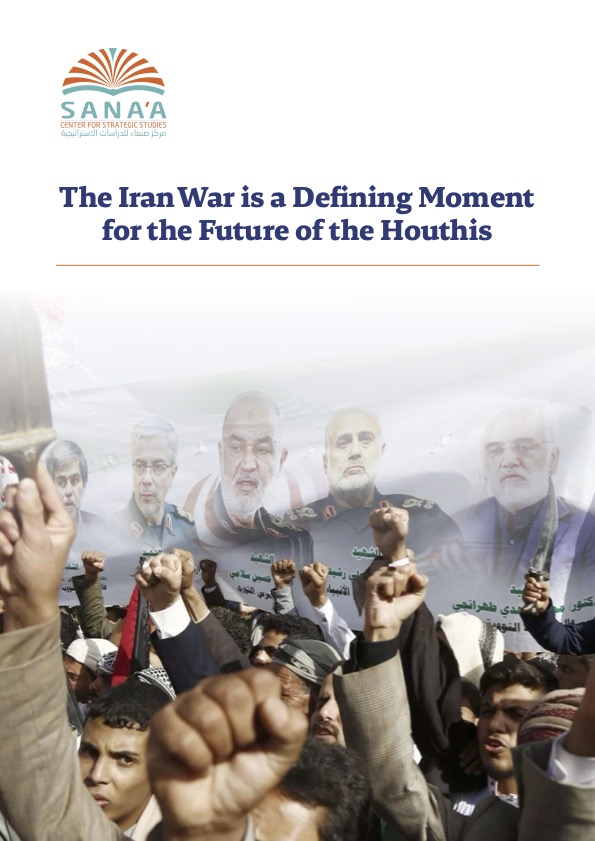
The ongoing Iran War is reshaping the region in ways that exceed all prior projections, compelling all parties involved in the conflict, or affected by it, to reposition themselves and reconsider the assumptions that have long guided their decisions. What is unfolding is not simply a redrawing of the balance of power in the region. More fundamentally, Iran and its Axis of Resistance allies are being forced to confront long-deferred questions. What are their real interests and roles in the struggle against the US and Israel in the region, and once the dust settles, how will their choices today impact their future?
It is precisely from this angle that one must read the current Houthi position on the conflict. In recent weeks, the main focus of analysis has been on whether the Houthis will enter the war. But as the group remains on the sidelines, the more telling question is what their continued non-engagement means. The prevailing accepted interpretations view this as a matter of timing, based on shared calculations between Sana’a and Tehran. From this perspective, the Houthis’ abstention to date is part of managing the pattern of escalation by elements within the Axis, deployed across various fronts, in accordance with broader operational and political calculations. Yet this interpretation, plausible as it is, is not the only possible explanation for the Houthis’ behavior.
Another possibility is that the Houthis’ current absence from this confrontation reflects differing calculations within the group itself, weighing the cost of joining a broad regional war against the risks to the considerable power and influence they have built in Yemen over the past decade, particularly if the conflict evolves into a prolonged, open-ended regional confrontation. Ongoing losses sustained by Hezbollah in Lebanon, and the profound tremors running through Iran itself, may be forcing hard conversations about the Axis of Resistance and the Houthis’ place within it. If Tehran’s ability to sustain future support for the group in Yemen looks in doubt, the main question turns from the timing of Houthi participation to what comes next for the group. Will it continue as a major pillar of a regional architecture led by Tehran, or seek to reposition itself as a force capable of operating with greater independence amid shifting regional dynamics?
The current trajectory of the war, toward leaving the Iranian regime weakened without decisively toppling it, would likely feed the Houthis’ inclination to seek alternative arrangements. One scenario could see the Houthis gradually becoming a new center of gravity within the Axis of Resistance, or even its principal ideological champion moving forward, filling the leadership vacuum left by the killings of Hezbollah leader Hassan Nasrallah and Iranian Supreme Leader Ali Khamenei. The group could also look for new openings that emerge from the conflict with states that oppose Western hegemony, particularly Russia and China. Beijing has already been deepening ties with the Houthis in recent years, as the group offers China a relatively low-cost tool for contesting Western influence in the Middle East.
Ultimately, the Houthis are not without options, and how the group chooses to act at this inflection point will have far-reaching ramifications for the future of Yemen and for regional and global security.
This analysis is part of a series of publications produced by the Sana’a Center and funded by the government of the Kingdom of the Netherlands. The series explores issues within economic, political, and environmental themes, aiming to inform discussion and policymaking related to Yemen that foster sustainable peace. Any views expressed within should not be construed as representing the Sana’a Center or the Dutch government.
Chairperson and Co-Founder